01
Who owns each technology service end to end?
Clarify accountability across business owners, IT, data teams, vendors, platform teams and local operating units.
A technically sound platform can still fail when ownership, support, funding, prioritization and escalation are unclear. The IT operating model defines how technology services are governed and run after implementation.
NoèmeX works with organizations to define central and local responsibilities, service ownership, product and platform governance, support models, SLAs, decision rights and continuous-improvement mechanisms around enterprise technology.
Use these pathways to connect architecture, cloud, modernization and technology economics to the leaders accountable for resilience, scale and investment.
We frame the engagement around the business, architecture, operating and investment questions that need to be resolved before major technology commitments are made.
Clarify accountability across business owners, IT, data teams, vendors, platform teams and local operating units.
Design governance that creates enterprise consistency without ignoring legitimate local regulatory, operational or customer needs.
Define service processes, escalation paths, support tiers, change control and prioritization mechanisms.
Establish SLAs, operational metrics, reliability measures and governance forums that connect service quality to business impact.
The exact scope depends on the organization, but the work typically produces a combination of these outputs.
A view of current ownership, governance, service processes, staffing, support, vendor dependencies and decision bottlenecks.
Roles, responsibilities, central and local structures, service ownership and decision rights for the future state.
Incident, request, change, release, escalation and support processes aligned to business criticality.
Service-level measures, operating metrics and review mechanisms for reliability, responsiveness and value.
Prioritization, funding, feature ownership and stakeholder participation for shared enterprise platforms.
A sequenced path for moving teams, responsibilities and service processes into the new operating model.
This example is drawn from the documented Global Data & BI case-study portfolio and illustrates the operating conditions behind the service.
A global safety transformation needed to standardize workflows across 40 countries while respecting local regulations and operating practices. The program combined global project governance, stakeholder prioritization, local participation, role-based access, configurable workflows and a shared support model to create one scalable platform.
Read the case studyThese services often intersect in the same transformation program, but each has a distinct purpose and page.
Technology work can begin as focused advisory and continue into project delivery, embedded support or an ongoing managed model.
Focused executive and specialist support for assessments, architecture decisions, roadmaps and investment choices.
Read more →Structured delivery when the target state needs to move into implementation, migration, integration and rollout.
Read more →Specialists operating alongside internal technology teams when continuity, adoption and ongoing evolution matter.
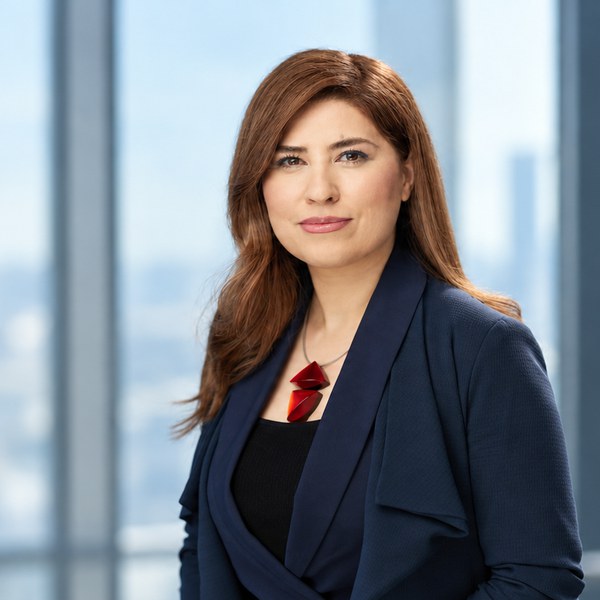
Read more →Connect directly with the people responsible for this work. Explore their experience and contact options.

Share the operating challenge, the systems involved, the constraints and what the organization is trying to achieve. Our teams can determine where architecture, cloud, applications, integration, governance, cost or modernization work should begin.